
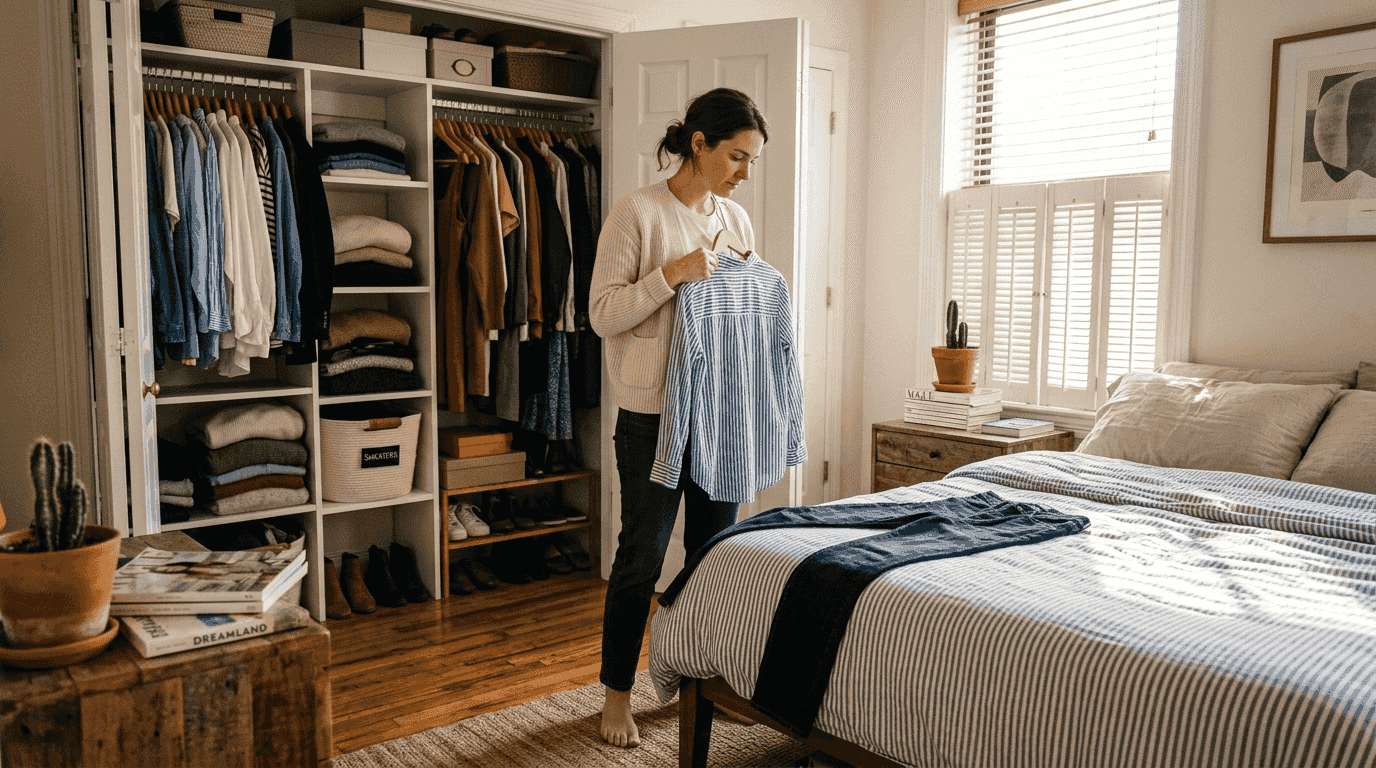
Staring at a full closet yet feeling like you have nothing to wear is a frustration 73% of women experience weekly. The struggle to create fresh, stylish outfits from existing clothes drains time and creativity every morning. This guide provides a structured, actionable process to transform your wardrobe into an endless source of outfit inspiration. You'll learn to curate, combine, and maintain a styling routine that enhances convenience while celebrating your personal style. By following these proven steps, you'll unlock the full potential of your closet and make getting dressed an enjoyable, effortless experience.
Table of Contents
- Step 1: Prepare Your Wardrobe By Editing And Organizing
- Step 2: Create Outfits Using Styling Principles And Mix-And-Match Techniques
- Step 3: Use Technology To Streamline Your Outfit Inspiration Process
- Step 4: Review, Refine And Maintain Your Outfit Inspiration Routine
- Discover Effortless Style With Style-Solver
- Frequently Asked Questions
Key takeaways
| Point | Details |
|---|---|
| Edit your wardrobe first | Removing outdated or ill-fitting items creates mental clarity and reveals hidden outfit possibilities. |
| Organize strategically | Group clothes by category and color to instantly spot pairing opportunities and boost creativity. |
| Apply styling principles | Use contrast and balance techniques to transform basic pieces into dynamic, interesting outfits. |
| Leverage technology | AI-powered apps digitize your wardrobe and suggest personalized combinations that save time. |
| Maintain regularly | Seasonal reviews and tracking worn outfits ensure your system stays fresh and functional. |
Step 1: Prepare your wardrobe by editing and organizing
Your outfit inspiration journey starts with a critical foundation: curating what you actually own. Clearing out old and outdated clothes frees mental space and eliminates the visual clutter that makes styling feel overwhelming. When you remove pieces that no longer fit your body or lifestyle, you create room for genuine creativity. The goal isn't to own less for minimalism's sake but to keep only items that work together seamlessly.
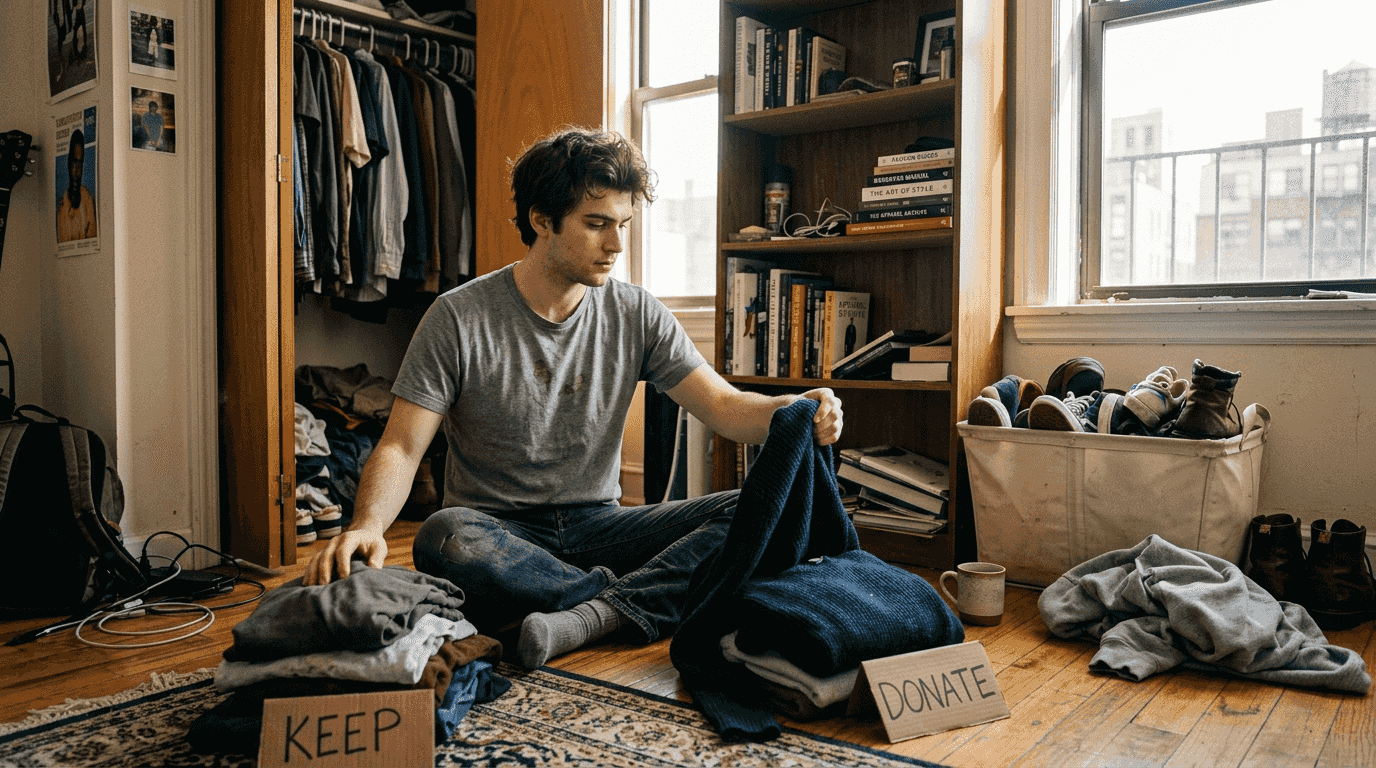
Start by identifying what stylists call red flag items. These are clothes you repeatedly pull out, try on, then reject because they don't fit right or match your current aesthetic. Outdated, ill-fitting, or aspirational pieces actively hinder your ability to create outfits quickly. Remove anything you haven't worn in 12 months, items with stains or damage beyond repair, and pieces bought for a version of yourself that no longer exists. Be honest about what serves you now.
Once you've edited ruthlessly, organize what remains by category and color. Group all tops together, then arrange them from light to dark shades. Do the same with bottoms, dresses, and outerwear. This visual system makes it instantly obvious which pieces can pair together. You'll spot combinations you never considered when everything was jumbled. Color coordination also reveals gaps in your wardrobe, like realizing you own eight black tops but no bottoms to balance them.
| Wardrobe Status | Average Outfit Combinations | Styling Time | Satisfaction Rate |
|---|---|---|---|
| Before Editing | 12 combinations | 18 minutes | 42% |
| After Editing | 31 combinations | 8 minutes | 78% |
| Improvement | +158% options | -56% time | +86% satisfaction |
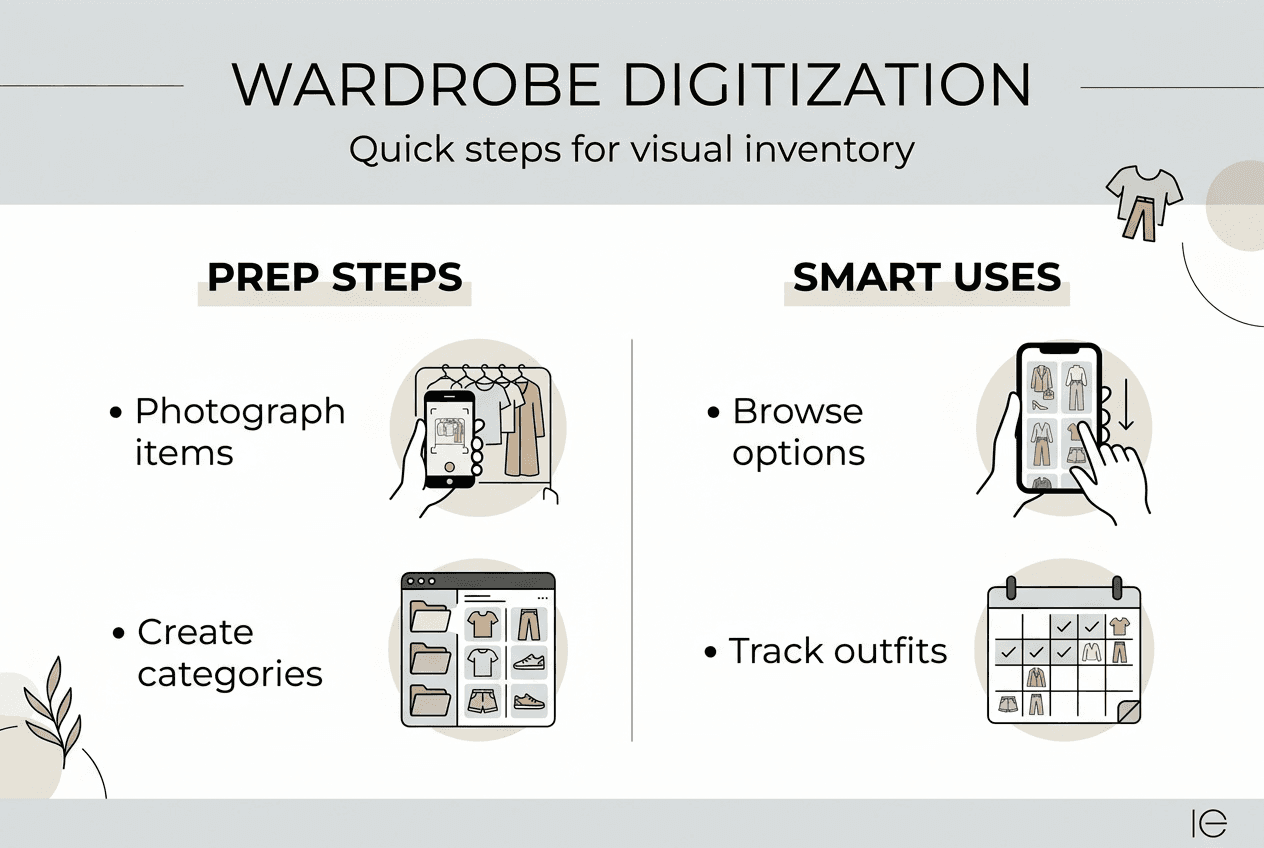
Pro Tip: Photograph your edited wardrobe sections on your phone to create a digital reference. This visual inventory helps you spot missing essentials when shopping and reminds you of forgotten pieces hiding in the back of your closet.
The editing process might feel difficult initially, especially if you're attached to certain items. Remember that quality trumps quantity in outfit creation. Twenty versatile pieces that mix well generate far more outfits than fifty random items that clash. Focus on keeping clothes in excellent condition that fit your current body, suit your daily activities, and reflect the style you want to project. An AI fashion stylist can later help you maximize these curated pieces by suggesting combinations you might overlook.
Maintaining this organized system requires minimal effort once established. Return items to their designated spots after wearing and washing. When you bring home new pieces, immediately remove something old to prevent accumulation. This one-in, one-out rule keeps your wardrobe streamlined and functional. Check out the style-solver gallery to see how organized wardrobes translate into diverse outfit options.
Step 2: Create outfits using styling principles and mix-and-match techniques
With your curated wardrobe ready, it's time to master the art of combining pieces into cohesive, interesting outfits. The secret lies in understanding basic styling principles that professional stylists use daily. The most powerful technique is what experts call the opposite action method. Pairing contrasting elements creates visual interest and prevents outfits from feeling flat or one-dimensional. If you're wearing a structured blazer, balance it with relaxed jeans instead of formal trousers. A feminine floral dress gains edge when paired with a leather jacket and boots.
This contrast principle applies to textures, silhouettes, and formality levels. Mix smooth fabrics with textured ones, fitted pieces with loose ones, casual items with dressier elements. The interplay creates dimension that makes even simple outfits look thoughtfully styled. You're not randomly throwing clothes together but deliberately choosing pieces that enhance each other through opposition. This approach transforms your wardrobe from a collection of individual items into a flexible styling system.
- Evaluate the occasion and required formality level before opening your closet.
- Select one statement piece as your outfit anchor, whether a bold top, patterned skirt, or standout shoes.
- Choose supporting pieces in complementary or neutral colors that don't compete with your anchor.
- Apply the contrast principle by mixing different textures, silhouettes, or style vibes.
- Add a third layer like a cardigan, jacket, or vest to create visual depth.
- Finish with accessories that tie the look together, such as a belt, scarf, or statement jewelry.
- Step back and assess the overall balance, adjusting if one element overwhelms the others.
Identifying your personal deal-breaker items prevents styling frustration. These are pieces that theoretically should work but consistently make you feel uncomfortable or self-conscious. Maybe you dislike how certain necklines look on you, or specific shoe styles hurt your feet. Recognizing these preferences early saves time and guides future wardrobe decisions. You'll stop forcing outfits that include deal-breakers and focus on combinations that genuinely make you feel confident.
Pro Tip: Mix one vintage or thrifted piece with modern items to keep your outfits feeling current and unique. A vintage blazer with contemporary jeans and sneakers looks fresh, not dated.
Consider practical life factors when styling outfits. Weather dictates fabric weight and layering needs. Your daily activities determine appropriate formality and comfort levels. Budget awareness helps you maximize existing pieces rather than constantly shopping for new ones. A working mother needs different outfit solutions than a college student, even if both want to look stylish. Tailor your approach to your actual lifestyle, not an imagined one. Browse style tips and outfit ideas for inspiration that matches various lifestyles and occasions.
Experimentation is crucial for discovering what works for your body and personal aesthetic. Try combinations that feel slightly outside your comfort zone. Photograph outfits you love so you can recreate them later. Notice which pieces you reach for repeatedly and which sit unworn. This feedback loop helps you refine your style over time. The goal is developing an intuitive sense of what works for you, making the daily styling process faster and more enjoyable.
Step 3: Use technology to streamline your outfit inspiration process
Technology has revolutionized how we approach wardrobe management and outfit creation. AI-powered apps now digitize your closet and suggest personalized combinations based on your preferences, lifestyle, and even weather conditions. AI systems increase wardrobe utilization by up to 30% by revealing outfit possibilities you might never consider manually. These tools eliminate decision fatigue by presenting curated options instantly, making them perfect for busy mornings.
The process starts by photographing your clothing items against a plain background. Most apps guide you through capturing clear images of tops, bottoms, dresses, shoes, and accessories. Upload these photos to create your digital wardrobe. The AI analyzes each piece, identifying colors, patterns, styles, and formality levels. It then generates outfit combinations by matching compatible items according to styling principles. You can filter suggestions by occasion, season, or specific pieces you want to wear.
| App Feature | ClosetAI | StyleBuddy | OutfitGenius | Style-Solver |
|---|---|---|---|---|
| Ease of Use | Moderate | Easy | Easy | Very Easy |
| Personalization | High | Moderate | High | Very High |
| Occasion Filtering | Yes | Yes | Limited | Yes |
| Weather Integration | Yes | No | Yes | No |
| AI Quality | Good | Basic | Good | Excellent |
| Cost | $9.99/month | Free | $4.99/month | Free tier available |
Convenience drives outfit inspiration preferences, with 70% of users valoring quick suggestions over extensive customization. The best apps balance sophisticated AI with simple interfaces. You shouldn't need technical expertise to benefit from smart styling recommendations. Look for platforms that learn your preferences over time, improving suggestions as you indicate which outfits you love or reject.
Advanced systems use deep learning and multimodal inputs to deliver superior results. The ClosetAI recommendation system analyzes visual features, user feedback, and contextual factors simultaneously. This comprehensive approach generates outfits that not only look good together but match your personal style and practical needs. Some platforms even suggest which existing pieces to pair with new purchases before you buy them.
- Maintain accurate item information by updating photos when pieces wear out or you donate them.
- Refresh your digital wardrobe seasonally to reflect what's currently accessible in your closet.
- Verify AI suggestions against your personal comfort and style preferences before wearing them.
- Use the technology as inspiration rather than strict rules, adapting recommendations to your taste.
- Track which suggested outfits you actually wear to help the AI learn your true preferences.
- Protect your privacy by choosing apps with clear data policies about how they use your wardrobe images.
The AI fashion stylist approach removes the guesswork from styling. Instead of staring at your closet wondering what works, you receive instant, professional-quality outfit ideas. This technology particularly benefits women juggling multiple responsibilities who want to look polished without spending mental energy on outfit planning. The convenience factor alone makes these tools valuable, but the creative inspiration they provide transforms how you view your existing wardrobe.
Integrating technology into your routine doesn't replace your personal style sense. It enhances your natural creativity by presenting options you might overlook and saving time on basic outfit assembly. You remain in control, choosing which suggestions resonate and which to ignore. Over time, you'll notice patterns in what you select, helping you understand your style preferences more clearly. Visit the fashion blog style tips section for guidance on maximizing these digital tools.
Step 4: Review, refine and maintain your outfit inspiration routine
Creating an effective outfit inspiration system isn't a one-time project but an ongoing practice. Regular maintenance ensures your routine stays functional and continues serving your evolving style needs. Schedule quarterly wardrobe audits to remove items that no longer fit, suit your lifestyle, or spark joy. Regular editing removes unworn items and increases wearable outfits by 30%, keeping your system streamlined and effective. These reviews prevent accumulation of clothes that clutter your space and decision-making process.
Tracking outfits you wear reveals valuable patterns. Note which combinations you reach for repeatedly and which occasions leave you struggling to choose. This data highlights gaps in your wardrobe. Maybe you have plenty of casual weekend clothes but lack professional meeting outfits. Or perhaps you own beautiful dresses but no appropriate shoes to pair with them. Identifying these gaps guides strategic additions that genuinely expand your styling options rather than adding random pieces.
Troubleshooting common styling challenges becomes easier with experience. If you consistently feel uninspired, it might signal that your wardrobe no longer reflects your current aesthetic. If getting dressed takes too long, your organizational system may need adjustment. Decision fatigue often indicates too many similar items that don't offer real variety. Address these issues promptly rather than letting frustration build. Sometimes a simple solution like better lighting in your closet or trying a new organization method makes a significant difference.
Incorporating new pieces requires intention. Before purchasing anything, consider how it integrates with existing items. Will it create at least three new outfit combinations? Does it fill an identified gap or simply duplicate what you already own? Personal styling considers budget and lifestyle to create practical, wearable looks. Strategic shopping prevents impulse buys that clutter your curated system. When you do add new items, immediately style them with existing pieces to confirm they enhance your wardrobe's versatility.
- Swap seasonal items in and out of your active closet to keep the selection manageable and relevant.
- Update your digital wardrobe photos when you acquire or remove pieces to maintain accuracy.
- Revisit your style preferences annually as your life circumstances and aesthetic evolve.
- Clean and repair clothes promptly to keep everything in wearable condition.
- Experiment with new styling techniques periodically to prevent your outfits from feeling stale.
- Share outfit photos with trusted friends for feedback on combinations you're unsure about.
- Celebrate styling wins by documenting outfits that make you feel confident and comfortable.
Personalization is key to long-term success. Your routine should match your lifestyle, not some idealized version from social media. A minimalist capsule wardrobe works beautifully for some women but feels restrictive to others who love variety. Some people thrive with detailed planning, while others prefer spontaneous styling. Experiment with different approaches until you find what feels natural and sustainable for you. The best system is one you'll actually maintain.
Maintaining a curated, organized wardrobe transforms daily dressing from a stressful chore into an enjoyable ritual. When everything in your closet fits, flatters, and coordinates easily, getting ready takes minutes instead of frustrating hours. You'll feel more confident knowing your outfits look polished and intentional. This confidence ripples into other areas of life, proving that investing time in your styling system pays dividends beyond just looking good. Explore fashion styling refinement tips for ongoing inspiration and advanced techniques.
Discover effortless style with Style-Solver
Maintaining a streamlined outfit routine becomes even simpler when you harness the power of intelligent styling technology. Style-Solver transforms how you approach your wardrobe by combining AI precision with personalized fashion expertise. Upload a single item from your closet and instantly receive three complete outfit ideas tailored for different occasions, from everyday casual to evening elegance. The platform generates professional-quality styled images featuring models wearing coordinated looks, helping you visualize exactly how to wear your existing pieces in fresh, creative ways.
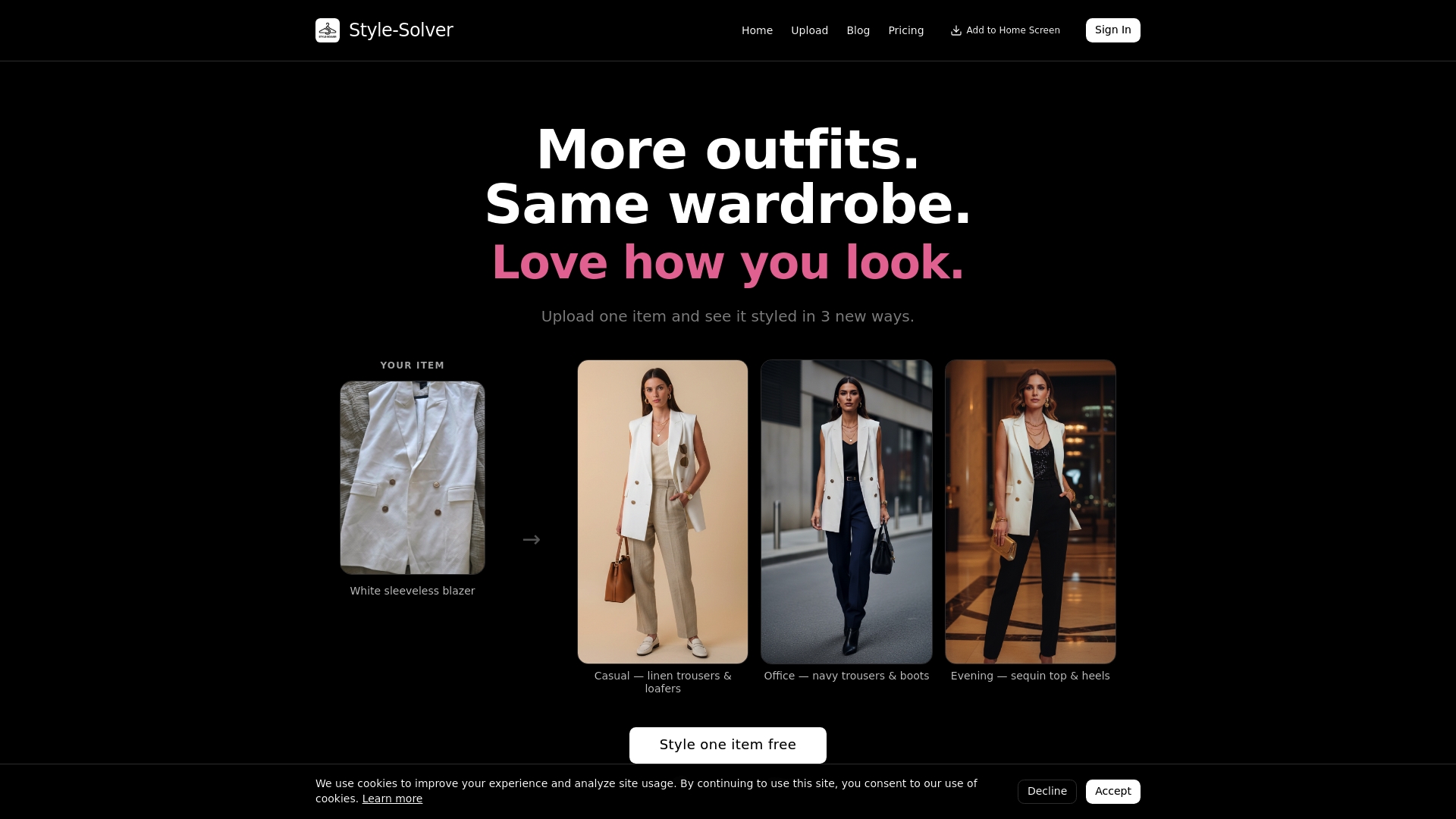
The convenience factor is unmatched. No more standing in front of your closet feeling overwhelmed or uninspired. Style-Solver does the creative work, presenting you with polished outfit options in seconds. Browse the style-solver gallery to see real examples of how the AI transforms single pieces into versatile looks. Whether you're preparing for a busy workweek or a special event, the AI fashion stylist ensures you always have stylish options at your fingertips. Track your favorite combinations through your purchase history and build a personalized style library that grows with you.
Frequently asked questions
How can I start the outfit inspiration process today?
Begin with a focused wardrobe edit, removing items that no longer fit or match your current style. Organize remaining pieces by category and color to instantly see pairing possibilities. This foundation takes just a few hours but dramatically improves your daily styling experience.
What styling techniques create the most interesting outfits?
The contrast method works best for adding visual interest to any outfit. Pair structured pieces with relaxed ones, smooth fabrics with textured materials, and casual items with dressier elements. This opposition creates dimension that makes even simple combinations look thoughtfully styled and polished.
Should I use technology for outfit planning?
Digital tools significantly reduce decision fatigue and reveal combinations you might overlook manually. AI-powered apps learn your preferences over time and suggest personalized outfits based on occasion, weather, and your existing wardrobe. They're especially valuable for busy individuals who want to look stylish without spending extensive time on outfit planning.
How often should I review my wardrobe system?
Conduct thorough wardrobe audits quarterly to remove items no longer serving you and identify styling gaps. Track outfits you wear weekly to spot patterns and preferences. These regular check-ins keep your system functional and ensure it evolves with your changing lifestyle and aesthetic.
What if I still feel uninspired after organizing?
Uninspired feelings often signal that your wardrobe doesn't reflect your current style or lifestyle needs. Experiment with new styling techniques like mixing vintage and modern pieces or trying unexpected color combinations. Consider using an AI stylist to generate fresh perspectives on items you've styled the same way for years.